
Latest Articles
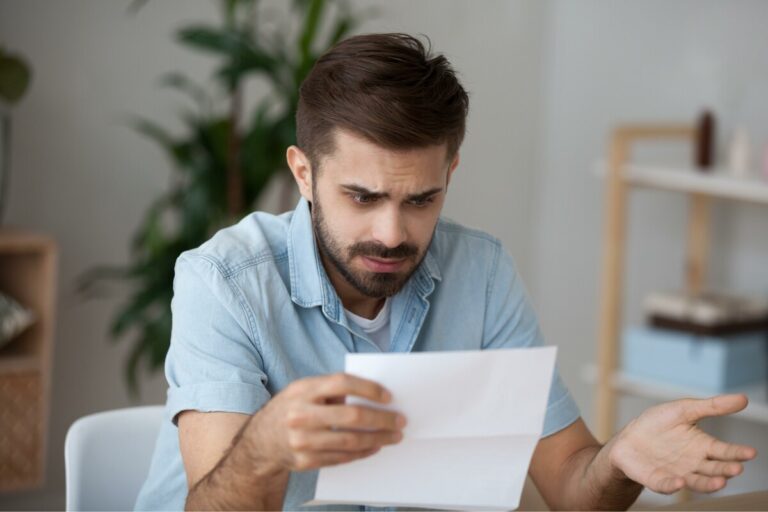
The US government has a law about how clearly it must write to you
Since 2010, federal agencies have been legally required to write in plain language. Their four rules…

The grocery store sign that quietly breaks a grammar rule
That 10 items or less sign looks right to almost everyone, but the strict rule says…
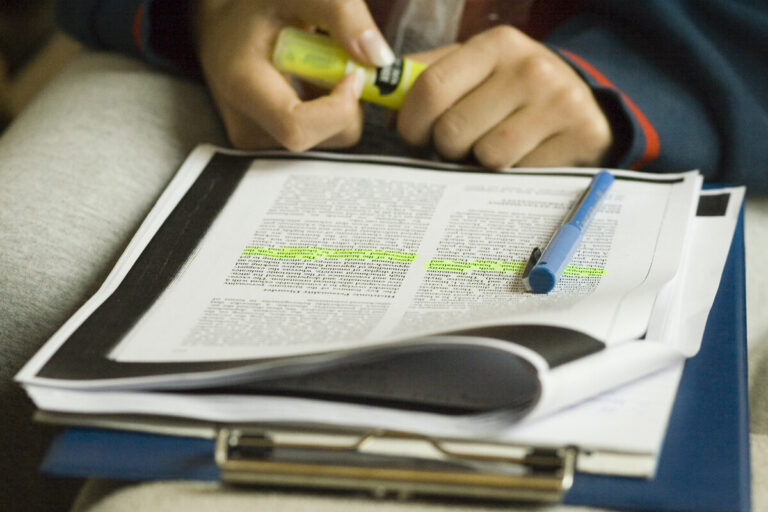
8 citation verbs that tell your reader what a source really thinks
Says and states tell your reader nothing. These verbs show whether a source argues, admits, or…

No, painters never charged extra to paint your arms and legs
The story about portrait painters charging extra for limbs is everywhere online. There is just one…

Why underlining a word in your email looks like a broken link
Readers expect underlined text to be clickable. Here is why underlining and ALL CAPS backfire in…

This grammar mistake makes it sound like your TV did your homework
A misplaced opening phrase can make your sentence say something wildly wrong. Here is the quick…

Not every fact in your essay needs a citation, and here is the test
The real rule for knowing when a fact needs a source, and when it does not.

The ancient voting trick that gave us spill the beans
The everyday phrase spill the beans may come from an ancient secret vote where a knocked-over…

4 things every effective work email needs before you hit send
Most ignored work emails are not badly written, they are just missing one of these four…
The made-up grammar rule one 18th-century writer invented
The rule against double negatives is not natural English grammar. Here is where it actually came…

Why swapping a few words does not count as paraphrasing
Swapping in a few synonyms is not real paraphrasing, and it can still count as academic…
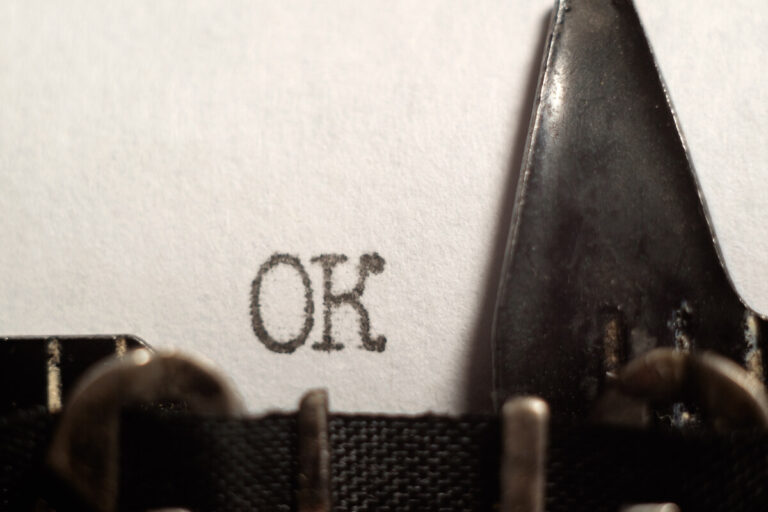
The strange true story behind the word OK
It started as a 19th-century spelling joke, then a presidential campaign made it permanent.